Understanding Common Workplace Injuries and How to Prevent Them
1/29/20262 min read
Introduction to Workplace Injuries
Workplace injuries are an unfortunate reality for many employees across various industries. From >neck strains to low back pain and wrist injuries, understanding the causes and prevention strategies is crucial for both workers and employers. This blog aims to provide insights into common injuries, their underlying causes, and effective prevention techniques.
Common Injuries: Causes and Effects
One of the most frequently reported workplace injuries is neck pain. Often resulting from prolonged periods of sitting or improper ergonomics, neck injuries can lead to chronic discomfort. Poor posture while working, especially at computer desks, strains the cervical spine, increasing the risk of injury.
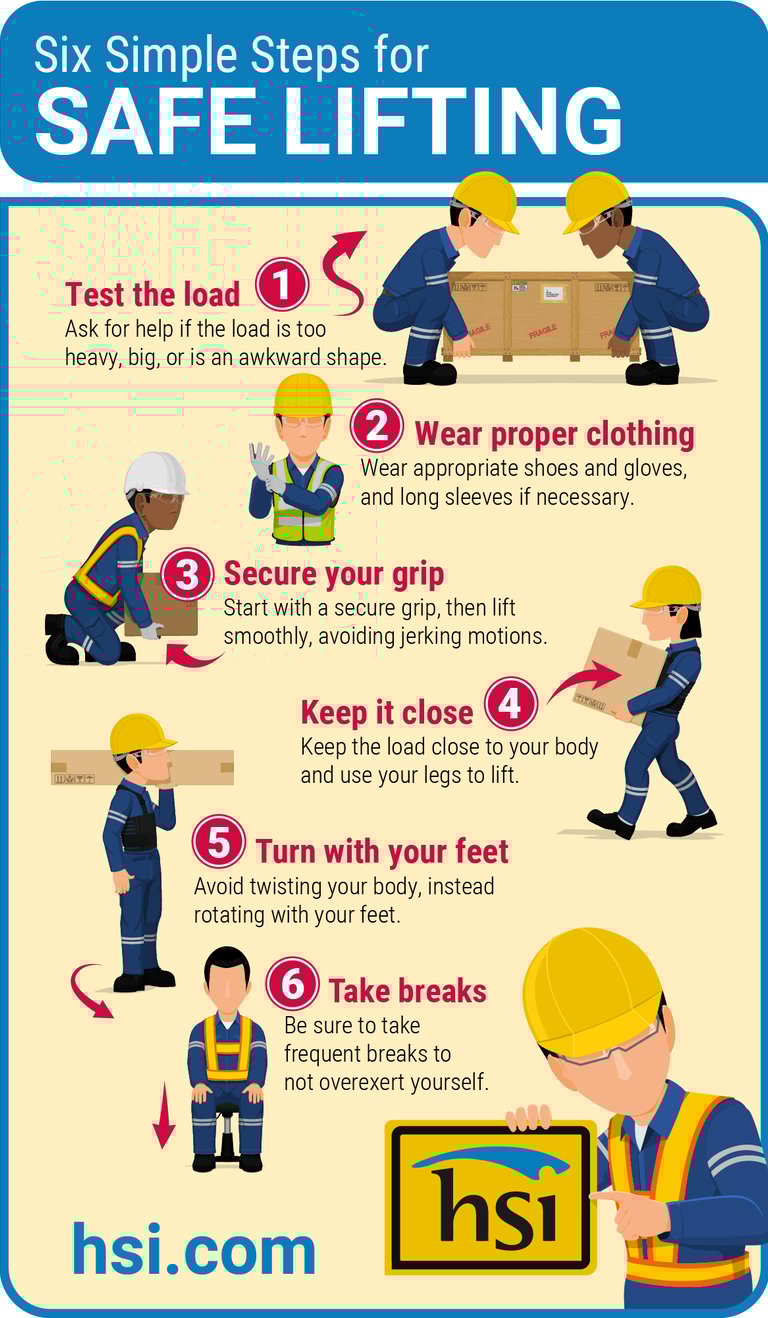
Low back injuries are also prevalent, primarily due to heavy lifting or repetitive stress. Overexertion can cause muscle sprains and strains. Inadequate lifting techniques and lack of proper training exacerbate the risk of experiencing severe back injuries that can cripple productivity.
In addition, injuries to the wrist and elbow frequently occur, particularly in jobs requiring repetitive motions, such as typing or assembly work. Conditions like carpal tunnel syndrome arise from excessive pressure on the nerves in these areas, leading to pain and discomfort.
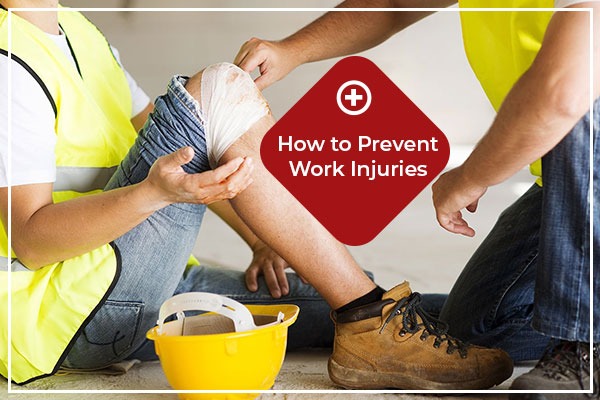
Finally, knee injuries are often linked to falls or impacts that occur in various work environments. The knees bear much of the body's weight, and any untreated or mismanaged knee injury can lead to long-term health issues.
Prevention Strategies
Preventing these common workplace injuries requires a multi-faceted approach. First and foremost, proper ergonomics should be enforced in all workplaces. For instance, adjusting the height of desks and chairs, utilizing lumbar supports, and ensuring frequent breaks can mitigate the risk of injuries.
For neck injuries, employees should be encouraged to maintain neutral positions when using computers and take regular breaks to stretch and reposition themselves. Additionally, training sessions focusing on proper lifting techniques can significantly reduce the prevalence of low back injuries.
To address wrist and elbow pain, implementing stretching routines can be very helpful. Employees should invest in ergonomic tools such as wrist supports or specially designed keyboards to minimize strain.
Finally, for knee safety, it is essential to maintain a clean and organized workspace. Employers should encourage wearing appropriate footwear and ensure that any potential hazards are promptly addressed, thereby reducing the risk of falls and subsequent injuries.
Conclusion
By understanding the common causes of workplace injuries and implementing effective prevention strategies, both employees and employers can create a safer working environment. Continuous education and proper ergonomics play a vital role in minimizing the risk of neck, low back, wrist, elbow, and knee injuries, ultimately leading to a more productive workforce.