A Comprehensive Guide to Enhancing Acupuncture Treatment for Cervical Pain
1/29/20262 min read
Understanding Cervical Pain and Its Implications
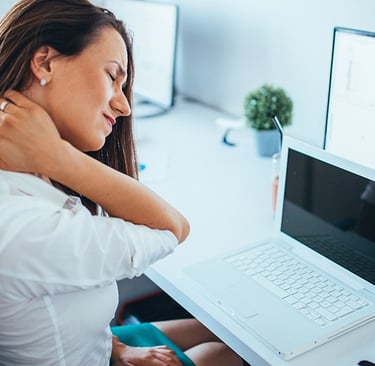
Cervical pain, often accompanied by symptoms such as stiffness and migraines, can significantly affect quality of life. Acupuncture, a traditional Chinese medicine practice, has been gaining traction in treating cervical pain. It utilizes fine needles inserted into specific points on the body, which some studies have shown to help alleviate pain and improve overall health. However, it is essential to complement these treatments with evidence-based Western medicine approaches to enhance effectiveness.
Integrating Evidence-Based Practices
Research indicates that combining acupuncture with Western medical practices can yield better outcomes for patients suffering from cervical pain. Physical therapy, for instance, is frequently recommended to improve neck flexibility and strength. A professional therapist can guide patients through specific exercises designed to alleviate tightness in cervical muscles, providing a holistic approach to treatment.
Moreover, cognitive behavioral therapy (CBT) has been shown to be beneficial for managing pain-related anxiety and stress, which can exacerbate cervical discomfort. Such an integrated method not only addresses the physical aspects of pain but also the mental components, leading to greater overall improvement.
Recent Advances in Treatment for Straight Neck and Headaches
Recent studies suggest that implementing a multifaceted treatment plan yields the best results for conditions like straight neck and tension headaches. Techniques like dry needling and myofascial release, in conjunction with acupuncture, can address muscle tightness that contributes to cervical pain. These methods target specific trigger points, which may lead to significant relief.
Additionally, the use of ergonomic aids is becoming increasingly popular. Specially-designed pillows, neck braces, and even adjustments to workstations can help maintain proper posture, which is crucial for those experiencing discomfort. Such aids can support the neck and prevent further irritation, functioning as preventative measures alongside acupuncture treatments.
Conclusion: A Holistic Approach Is Key
Incorporating both acupuncture and Western medicine approaches is vital in managing cervical pain effectively. This combination not only addresses the immediate symptoms of cervical discomfort but also supports long-term health and well-being. By employing a holistic method that integrates various treatment modalities, individuals can find significant relief from their symptoms. As ongoing research continues to explore the efficacy of these treatments, patients are encouraged to consult healthcare professionals to tailor a treatment plan suited to their unique needs.